
The idea that digital content creators — especially subscription-based adult creators — are among the highest earners in the world’s largest economies has become a powerful symbol of how dramatically work is changing in the internet age. While headlines often exaggerate or oversimplify the reality, there is no denying that the rise of creator platforms has reshaped income opportunities, entrepreneurship, and personal branding in ways few industries ever have.
At the center of this shift is OnlyFans, a platform that allows individuals to monetize exclusive content directly from paying subscribers. Unlike traditional employment models, creators control pricing, content, and audience relationships without needing corporate gatekeepers. This direct-to-consumer structure has enabled some top creators to earn extraordinary incomes — sometimes far exceeding salaries in conventional professions like law, medicine, or finance.
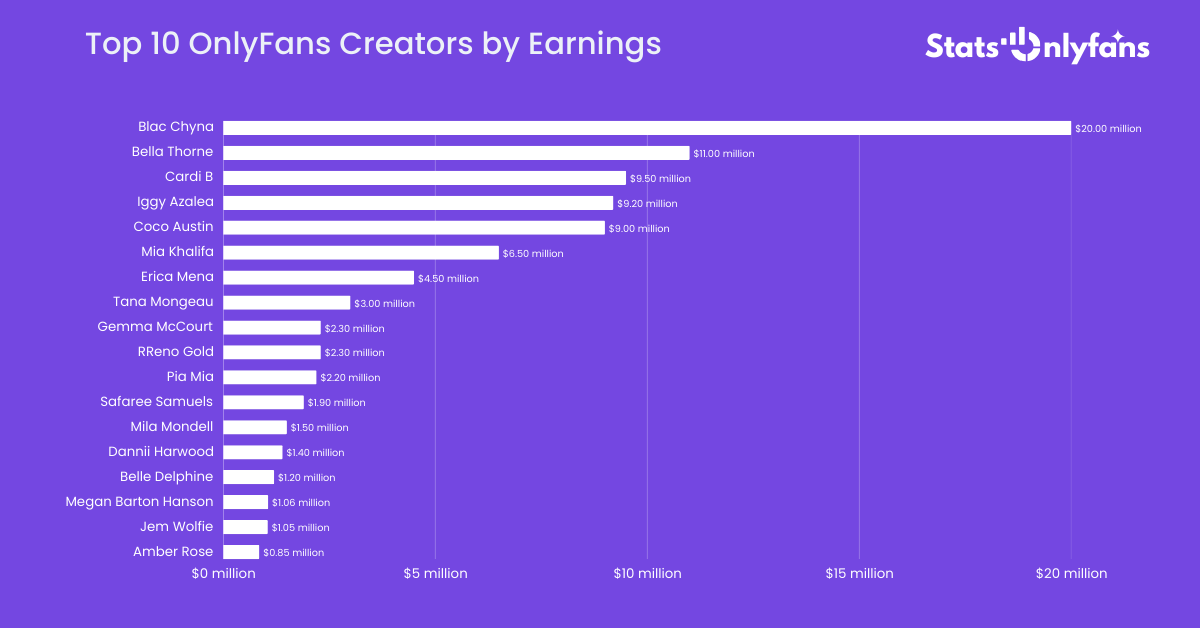
However, it’s important to understand the context behind claims that this type of work is the “highest earning job” in major economies such as the United States. While a small percentage of elite creators do generate massive revenue, they represent a tiny fraction of the total creator population. Income distribution in the digital creator economy is highly unequal, much like entertainment industries such as film or music. A few individuals dominate earnings, while the majority earn modest or inconsistent income.
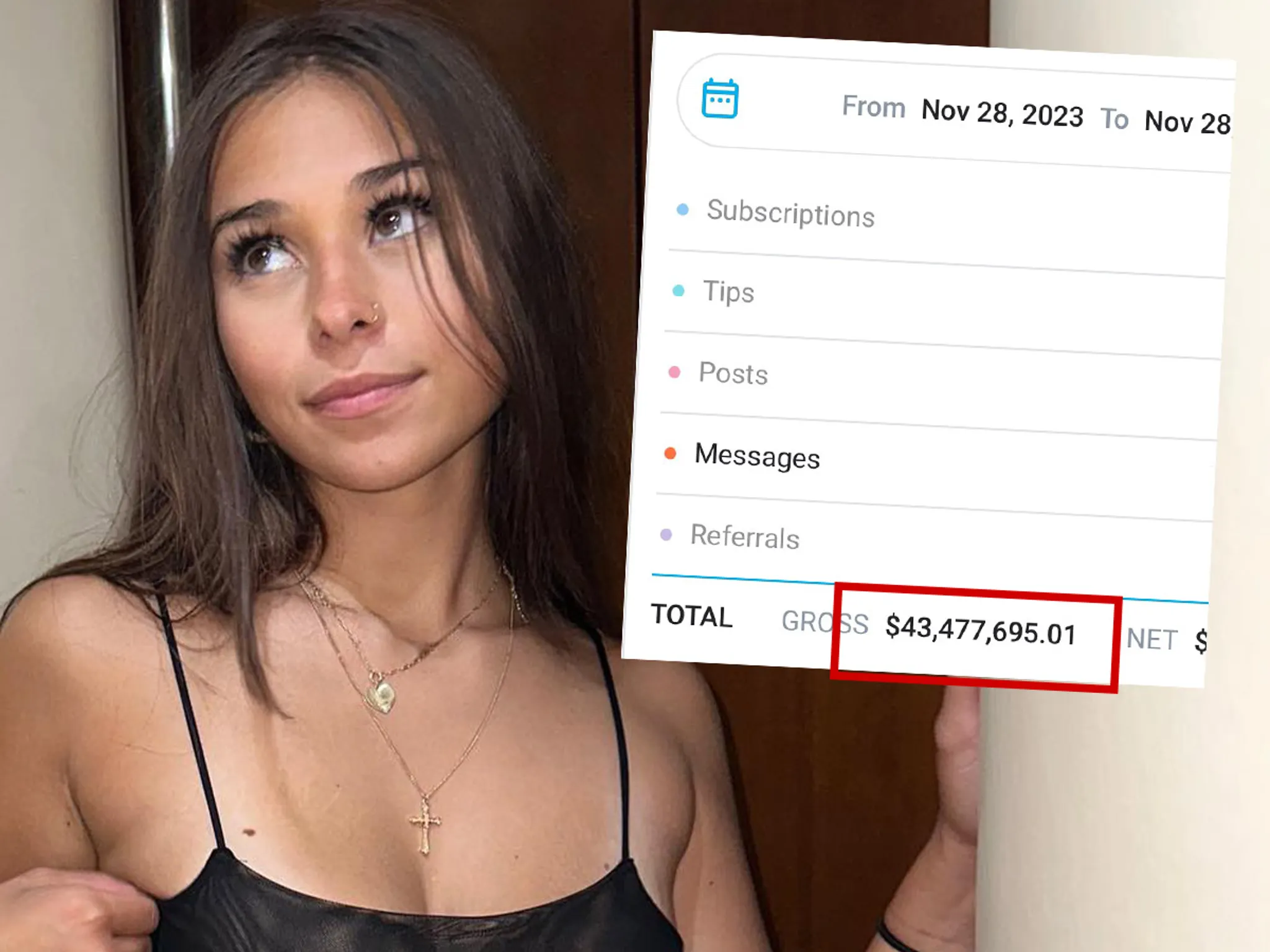
What makes this trend significant is not just how much top creators earn, but how they earn it. The model is built on personal branding, audience engagement, and content exclusivity. Creators operate like independent businesses — managing marketing, customer relationships, production, and brand positioning. Success depends on visibility, consistency, and the ability to build loyal communities rather than simply producing content.

This transformation reflects a broader shift across the digital economy. Platforms like Instagram, TikTok, and Patreon have normalized the idea that individuals can earn income directly from audiences. What began with influencers and entertainers has evolved into a full-scale creator economy spanning education, fitness, lifestyle coaching, art, gaming, and adult content.
The adult content sector in particular has expanded rapidly because it operates on demand-driven consumption. Instead of relying on large studios or traditional distribution channels, creators provide personalized experiences and direct interaction — something mass media cannot easily replicate. This exclusivity creates strong subscriber loyalty and recurring revenue, which can scale quickly for successful creators.
Still, the narrative that this career path guarantees wealth is misleading. Many creators face challenges including income volatility, intense competition, platform policy changes, and the need for constant self-promotion. Financial success often requires marketing skills, emotional labor, business planning, and long-term audience development. It is entrepreneurship disguised as content creation.
There are also broader economic implications. The rise of subscription-based creator platforms reflects changing attitudes toward work itself. Younger generations increasingly value independence, flexibility, and ownership of their income streams. Traditional employment offers stability, but digital platforms offer autonomy — and sometimes the possibility of extraordinary earnings.
From a macroeconomic perspective, this trend signals the growing importance of attention as a commodity. In digital markets, visibility converts directly into revenue. Individuals who can capture and sustain audience attention possess a powerful economic asset, often more valuable than traditional credentials or institutional affiliation.
Ultimately, the emergence of high-earning adult content creators is less about a single platform or industry and more about a structural transformation in how value is created online. The internet has enabled individuals to become media companies, brands, and service providers all at once.
Whether one views this shift as empowering, controversial, or disruptive, it clearly demonstrates a new reality: in today’s digital economy, personal influence and audience connection can rival — and sometimes surpass — the earning potential of traditional careers.